



Get started learning to build your own electronics by following our FREE online courses below!
Learn More »
Categories
- animatronics (12)
- apple (11)
- arduino (179)
- art (41)
- articles (121)
- artificial intelligence (11)
- automation (421)
- avr (205)
- bitcoin (3)
- breadboard (9)
- cameras (57)
- cars (26)
- cell phones (28)
- clothing mods (21)
- console mods (26)
- dangerous (94)
- desktop mods (24)
- embedded (5)
- flying things (54)
- fpga (22)
- gaming creations (108)
- interface (225)
- internet (17)
- laptop mods (6)
- lasers (22)
- linux (7)
- magnetic (3)
- medical (12)
- microcontrollers (51)
- misc projects (152)
- msp (12)
- music (124)
- pic (90)
- projects (23)
- pyroedu (76)
- raspberry pi (26)
- robots (312)
- security (36)
- sensors (307)
- software (200)
- solar (19)
- stamp (9)
- tools (149)
- tutorials (98)
- Uncategorized (45)
- usb (44)
- wireless (256)
Sponsors
Build Like A Pyro!
Find many of the parts used on this site at our favorite online electronics shop


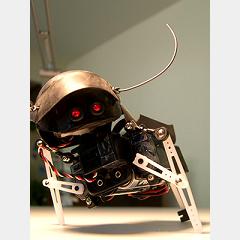
The SwashBot
Posted November 15, 2010 by Chris
Today’s project is a creative little robot called the SwashBot. It is a neat construction design with some servos and a wireless receiver/controller. The project write-up includes instructions for building, parts list and schematic. Don’t miss the videos of the robot in action!
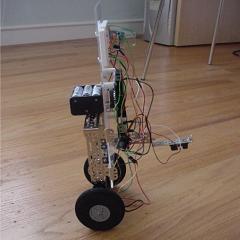
Equibot the Balancing Robot
Posted November 8, 2010 by Chris
Balancing robots are all over the place but the equibot balances by using a sharp IR proximity sensor as its feedback sensor. This is intriguing to me because its the first I have ever seen. The project write-up is a little abridged, but the software, parts list and vids of it in action are all on the website.

Intro to the Photo Interrupter
Posted November 4, 2010 by Chris
The Photo Interrupter is a cool piece of technology that provides a means of electrical/mechanical feed back. A small piece of tape with clear and black lines either interrupts or allows the unit to send a signal. This feedback is great for very accurate positioning, like in printers and scanner. The project write-up is indepth and uses an arduino for the brains.
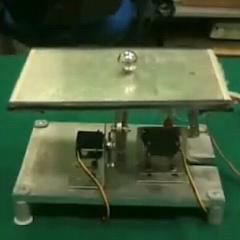
Ball Controlled via Touch Screen
Posted October 19, 2010 by Chris
While the details are a little sparse, this controlled system is amazing to watch. Two servos control the roll and pitch of a small board to keep a ball bearing centered. Watch the video of it in action and check out the hardware links that make the project possible.
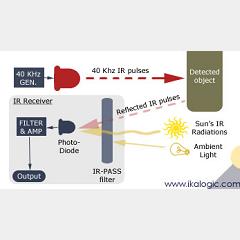
40KHz IR Proximity Sensing
Posted October 13, 2010 by Chris
IR sensors (emitters/receivers) have the unique quality that they can sense things that are in front of them. This project goes through the theory and shows you both how to use them and what to expect from the sensors.

C-52EVB Line Follower Robot
Posted October 6, 2010 by Chris
This line following robot was done for someone’s thesis so the write-up is very indepth. It goes through the basics of motor control, sensor control and combining the two using a microcontroller.
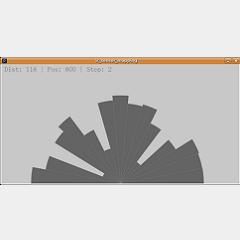
Visualizing Sensor Data
Posted October 4, 2010 by Chris
This project uses a sharp IR sensor and some data processing. Then the data is visualized through a program. Visualization of data creates a way for us (humans) to understand data quicker, compared to when it is in raw number format.

ArduPilot DIY Drone
Posted September 23, 2010 by Chris
If you are into robotics, then the idea of flying robotics is probably twice as interesting. The ArduPilot offers the sensors you need to build your own flying drone. This write-up gives you the resources to make it happen.

Poorman’s Oscilloscope
Posted September 22, 2010 by Chris
The poorman’s oscilloscope uses an arduino to process incoming signals and to send it off to your PC for some visualization. It only works on low frequency circuits, but for the poorman, that’s usually the best you can get.

Breadboard Line Following Sensor
Posted September 15, 2010 by Chris
This project gives a quick overview of infrared sensors and how they are great for line following robots. Everything is done on a breadboard with standard IR emitter and receiver LED pairs. The results are surprisingly accurate for such simple circuitry.
Currently Hot

Arduino LED Flashing Introduction
begin your journey learning about the arduino here

Wireless XBee Motor Control
wireless dual dc motor control via xbee

DIY Mini PIC Development Board
build your own quick, easy and awesome pic dev board

Wireless XBee Pan/Tilt With Servos
build a wireless pan/tilt system for your camera

PIC Prototyping: MPLABX + PICKIT3 Intro
learn how to use mplabx with the new pickit3
Animatronics

Recent Articles

Arduino DDS Shield
build your own arduino based analog signal generator

A Digital Multimeter In Review (Tenma 72-7735)
learn about your typical digital multimeter in review

The PIC Annoy PCB
build something to annoy your co-workers

Automate Your Life With Cron
learn how to use cron for computer automation

Web Scraping For Weather Updates
learn how to use php to scrape the web

Creating A Web Server In Linux
learn how to make a lamp web server in linux

Stepper Motor Control With A stepRocker TMCM-1110
learn how a commercial stepper motor controller works

Arduino To PIC Wireless Proximity Motor Control
control a motor with a distance sensor wirelessly

PIC to Arduino Wireless Communication via XBee
use xbee to make a pic wirelessly talk to an arduino

Motor Control via Infrared Distance Sensor
control a motor simply by waving your hand

