



Get started learning to build your own electronics by following our FREE online courses below!
Learn More »
Categories
- animatronics (12)
- apple (11)
- arduino (179)
- art (41)
- articles (121)
- artificial intelligence (11)
- automation (421)
- avr (205)
- bitcoin (3)
- breadboard (9)
- cameras (57)
- cars (26)
- cell phones (28)
- clothing mods (21)
- console mods (26)
- dangerous (94)
- desktop mods (24)
- embedded (5)
- flying things (54)
- fpga (22)
- gaming creations (108)
- interface (225)
- internet (17)
- laptop mods (6)
- lasers (22)
- linux (7)
- magnetic (3)
- medical (12)
- microcontrollers (51)
- misc projects (152)
- msp (12)
- music (124)
- pic (90)
- projects (23)
- pyroedu (76)
- raspberry pi (26)
- robots (312)
- security (36)
- sensors (307)
- software (200)
- solar (19)
- stamp (9)
- tools (149)
- tutorials (98)
- Uncategorized (45)
- usb (44)
- wireless (256)
Sponsors
Build Like A Pyro!
Find many of the parts used on this site at our favorite online electronics shop


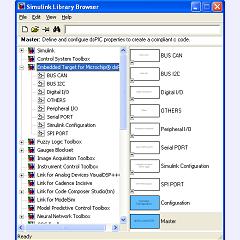
Simulink – Embedded Target for PIC
Posted September 24, 2011 by Chris
Simulink is a part of a larger engineering tool called MatLab and has a wide variety of design and test functions. This article shows you how to use SimuLink to build functional system models for a PIC microcontroller using simulink blocks. Code is generated by simulink and downloaded to the PIC. It is just as easy as it sounds, so take a look at microchip’s simulink blockset.
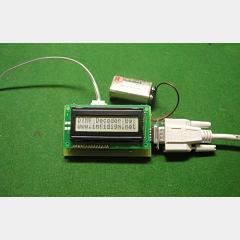
PhonePhreakrz: DTMF Decoder 2
Posted September 17, 2011 by Chris
“The DTMF decoder 2 is a useful tool used for decoding DTMF (Dual Tone Multi frequency) generated by telephones. The decoded digits are viewed on a 16×2 LCD screen. The DTMF decoder can be directly connected to a Serial port to view the digits in HyperTerminal on a computer.”

Light Reading: Why Use Interrupts?
Posted September 11, 2011 by Chris
Some light reading for today: For those of you who took a look at my recent intro to interrupts article and are still wondering why? This article is a great summary of the advantages that interrupt hardware and software logic offer us as electronics builders and designers. The main goal here is to show you how bad latency is in polling based systems.
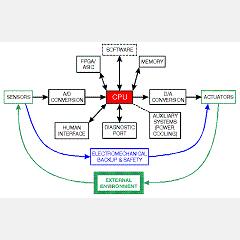
Embedded Systems: The Rest of the Story
Posted September 2, 2011 by Chris
Embedded System design becomes a whole lot easier when we actually have a great definition of what an embedded system is. This article explains every aspect of embedded systems from both a design and business perspective for why we need embedded systems, like PIC, AVR or ARM, and where they should be used.
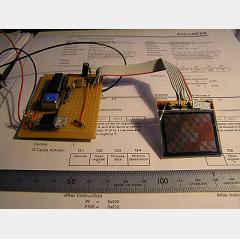
PIC to Nokia 3510i LCD Interface
Posted July 23, 2011 by Chris
Interfacing to LCD’s is a bit of a holy grail for embedded devices because of the challenges it presents. This article shows an example system of how to interface a 16F series PIC to an old Nokia Cell-phone LCD. It’s all written in assembly, so take a deep breath before diving in.
Ladder Logic for PIC and AVR
Posted July 15, 2011 by Chris
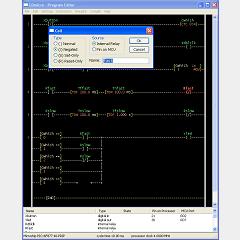
Today’s article should interest those of you in manufacturing and motion control industries because it deals with the programming style known as ladder logic. The article explains how you can use their custom software to do ladder logic on a PIC or AVR microcontroller. Ladder logic is a type of graphical programming that has been popular in the PLC industry for many years.
Low-Power LCD Smackdown
Posted July 10, 2011 by Chris
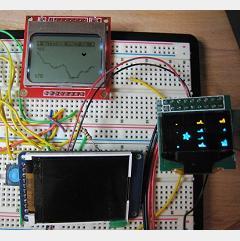
Here’s a quick article comparing 3 popular, low cost, easy-to-use and low power LCD’s. The article gives you comparisons between them all along with example code and resources for getting started with them. So if you’re looking for an LCD for your project, or just need some reference material, take a look at this one.

FabISP, In-System Programmer
Posted July 2, 2011 by Chris
FabISP, is a system for using some custom work of an ATTiny to do in-system programming. The article shows you this process, from design in schematic, to board layout and firmware. All the project files are there for download along with a parts list. This is a well documented design of a programmer, so if you’re looking to learn more on PCB and AVR, take a look.
Making Your Own PCI Interface [DIY]
Posted June 29, 2011 by Chris
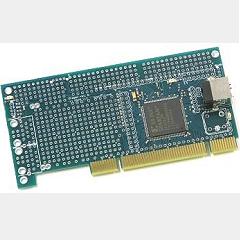
The PCI bus architecture has existed for a long time and as antiquated as the design is, it still works very well and exists in most modern consumer computers. But, haven’t you ever wanted to make your own PCI card? This article goes step-by-step through the process of building a PCI Interface using a Xilinx FPGA to do the heavy lifting. Verilog source code and hardware schematics are included with the article.
PIC based WWVB clock
Posted June 28, 2011 by Chris
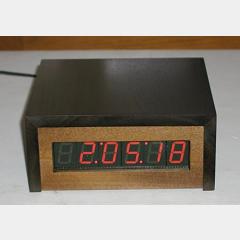
“There are many DIY versions of WWVB clock designs available on the web. Commercial “atomic” clocks are inexpensive and widely available, but I wanted to try my hand at designing one to gain insight into WWVB reception and to learn a little about programming a PIC microcontroller.” See the article for source code and schematics for making your own Atomic Clock!
Currently Hot

How To Build An 8x8x8 LED Cube
build an 8x8x8 led cube to mezmorize your friends

Simple RF Receiver And Transmitter @ 27 MHz
build a simple 27 mhz receiver module

Simple 27 MHz RF Transmitter
build a simple rf transmitter with very few parts

Multi Servo Control Using Arduino UNO
control many servos at once using arduino uno

Fading LED Heart Birthday Present
an led heart as a simple birthday present
Animatronics

Recent Articles

Arduino DDS Shield
build your own arduino based analog signal generator

A Digital Multimeter In Review (Tenma 72-7735)
learn about your typical digital multimeter in review

The PIC Annoy PCB
build something to annoy your co-workers

Automate Your Life With Cron
learn how to use cron for computer automation

Web Scraping For Weather Updates
learn how to use php to scrape the web

Creating A Web Server In Linux
learn how to make a lamp web server in linux

Stepper Motor Control With A stepRocker TMCM-1110
learn how a commercial stepper motor controller works

Arduino To PIC Wireless Proximity Motor Control
control a motor with a distance sensor wirelessly

PIC to Arduino Wireless Communication via XBee
use xbee to make a pic wirelessly talk to an arduino

Motor Control via Infrared Distance Sensor
control a motor simply by waving your hand

