



Get started learning to build your own electronics by following our FREE online courses below!
Learn More »
Categories
- animatronics (12)
- apple (11)
- arduino (179)
- art (41)
- articles (121)
- artificial intelligence (11)
- automation (421)
- avr (205)
- bitcoin (3)
- breadboard (9)
- cameras (57)
- cars (26)
- cell phones (28)
- clothing mods (21)
- console mods (26)
- dangerous (94)
- desktop mods (24)
- embedded (5)
- flying things (54)
- fpga (22)
- gaming creations (108)
- interface (225)
- internet (17)
- laptop mods (6)
- lasers (22)
- linux (7)
- magnetic (3)
- medical (12)
- microcontrollers (51)
- misc projects (152)
- msp (12)
- music (124)
- pic (90)
- projects (23)
- pyroedu (76)
- raspberry pi (26)
- robots (312)
- security (36)
- sensors (307)
- software (200)
- solar (19)
- stamp (9)
- tools (149)
- tutorials (98)
- Uncategorized (45)
- usb (44)
- wireless (256)
Sponsors
Build Like A Pyro!
Find many of the parts used on this site at our favorite online electronics shop


PIC to SD Card Interface via SPI
Posted June 25, 2011 by Chris
If you have ever wanted to learn how SD card interfacing words, this a great article to read. It covers the very basics of connecting a PIC to write and read from an SD flash memory card using SPI. The article has tons of pictures, the code, the schematic and more than enough details to help you make your own.
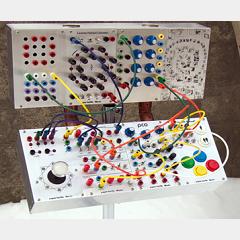
illucia: a codebending instrument
Posted June 23, 2011 by Chris
“Codebending is the exploration of software with ‘patch points.’ Patch points expose the inner workings of computer programs, and allow for atypical connections between things like games, music making software, office suites, etc.” This article explains the more intricate details of artistic electronics through a process called codebending with an instrument that looks like it came straight out of google labs.

USB AVR Programmer (ISP)
Posted June 19, 2011 by Chris
For the AVR gurus out there looking to test out making their own programmer, here’s a USB AVR Programmer that does ISP style programming. The article includes PCB schematic and layout along with the AVR firmware. A useful and good project for AVR fanatics as an extra programmer is always welcome in your toolbox.

Ultim809: Homebrew 8-bit Computer
Posted June 8, 2011 by Chris
This is a great old-school article about how embedded systems used to be built. The article explains how to use a Motorola 6809 with some ROM, RAM and peripheral devices connected up to the address and data bus. A memory map is built up and rom programmed with some code to get things going. The author has all schematics and firmware available for download.
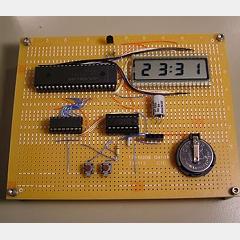
Low Power LCD Clock
Posted June 7, 2011 by Chris
There’s nothing too complex about this LCD clock circuit, so its a great project to build if you want to get started with the MSP line of microcontrollers from TI. The article describes how things work, includes schematics and firmware for the MSP. The system runs off of the single battery coin cell, as all the ICs are low voltage.

Finkbuilt: World Control Panel
Posted June 3, 2011 by Chris
Now you too can join the ranks of all those old school movie evil genius’ with global world domination maps. The build process is very straight forward with mostly analog connections and no programming. The article lists parts used and has a lot of pictures to help you build your own.
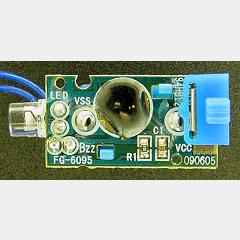
A Happy Meal Toy: Taken Apart
Posted May 30, 2011 by Chris
Today’s article takes a look at an Avatar toy from a happy meal at McDonald’s. The “Jake Sully Avatar” toy lights up whenever motion or vibration is felt through an old school cheap sensor. The article presents a very ‘get in and get your hands dirty’ approach to learning how something works….which I like.
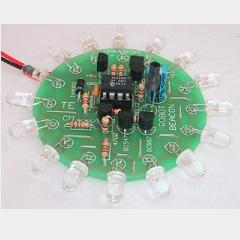
A Simple LED Beacon
Posted May 19, 2011 by Chris
While an LED beacon doesn’t serve too great a purpose, it is a great design exercise for students new to the world of microcontrollers. The beacon uses a PIC and some transistors to control the beacon’s lighting. The article describes how it works and how to make your own.
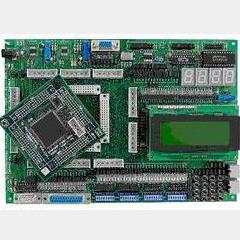
MCU vs FPGA vs CPLD vs ASIC
Posted May 16, 2011 by Chris
The eternal question of which one is the best will never be answered fully, so instead we spend our time trying to find which platform is best suited to solve specific problems. This article gives an introduction, with a DSP slant, for which devices are best suited toward solving which types of problems.

The Basics: Homopolar Motor
Posted May 1, 2011 by Chris
One of the first and simplest projects any electronics hobbyist should come across is the homopolar motor. It consists of wire, a battery and a magnet. There are some variations, but these 3 elements are all you need to make a motor. Read the article to see the introductory theory and build steps. Nothing too complicated here, an oldie but goodie.
Currently Hot

How To Build An 8x8x8 LED Cube
build an 8x8x8 led cube to mezmorize your friends

Simple RF Receiver And Transmitter @ 27 MHz
build a simple 27 mhz receiver module

Simple 27 MHz RF Transmitter
build a simple rf transmitter with very few parts

Multi Servo Control Using Arduino UNO
control many servos at once using arduino uno

Fading LED Heart Birthday Present
an led heart as a simple birthday present
Animatronics

Recent Articles

Arduino DDS Shield
build your own arduino based analog signal generator

A Digital Multimeter In Review (Tenma 72-7735)
learn about your typical digital multimeter in review

The PIC Annoy PCB
build something to annoy your co-workers

Automate Your Life With Cron
learn how to use cron for computer automation

Web Scraping For Weather Updates
learn how to use php to scrape the web

Creating A Web Server In Linux
learn how to make a lamp web server in linux

Stepper Motor Control With A stepRocker TMCM-1110
learn how a commercial stepper motor controller works

Arduino To PIC Wireless Proximity Motor Control
control a motor with a distance sensor wirelessly

PIC to Arduino Wireless Communication via XBee
use xbee to make a pic wirelessly talk to an arduino

Motor Control via Infrared Distance Sensor
control a motor simply by waving your hand

