



Get started learning to build your own electronics by following our FREE online courses below!
Learn More »
Categories
- animatronics (12)
- apple (11)
- arduino (179)
- art (41)
- articles (121)
- artificial intelligence (11)
- automation (421)
- avr (205)
- bitcoin (3)
- breadboard (9)
- cameras (57)
- cars (26)
- cell phones (28)
- clothing mods (21)
- console mods (26)
- dangerous (94)
- desktop mods (24)
- embedded (5)
- flying things (54)
- fpga (22)
- gaming creations (108)
- interface (225)
- internet (17)
- laptop mods (6)
- lasers (22)
- linux (7)
- magnetic (3)
- medical (12)
- microcontrollers (51)
- misc projects (152)
- msp (12)
- music (124)
- pic (90)
- projects (23)
- pyroedu (76)
- raspberry pi (26)
- robots (312)
- security (36)
- sensors (307)
- software (200)
- solar (19)
- stamp (9)
- tools (149)
- tutorials (98)
- Uncategorized (45)
- usb (44)
- wireless (256)
Sponsors
Build Like A Pyro!
Find many of the parts used on this site at our favorite online electronics shop


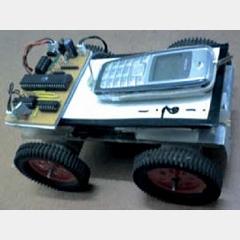
Cellphone Operated Land Rover
Posted February 10, 2011 by Chris
This robot is controlled by calling the cell phone attached to it and pressing keys on your cell phone. The cell phone attached to the robot receives and decodes the dial tones and the robot moves accordingly. The project write-up has a good explanation of how it’s done.
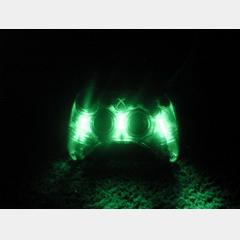
Xbox 360 Controller LED MOD
Posted February 9, 2011 by Chris
If you’re an Xbox fanatic don’t miss this one. This project shows you how to mod your Xbox controller in a way no one else will, making you the coolest kid on the block. A few special LED additions really make a difference in how the controller works, and it’s a super easy mod!

Change Capacitance Touch Button
Posted February 8, 2011 by Chris
Capacitive sensing has become quite popular recently with touch screens and elevator buttons, even though the theory is nothing new. This tutorial goes through the process of how you can use changes in capacitance in objects to sense if they’ve been touched by a human.
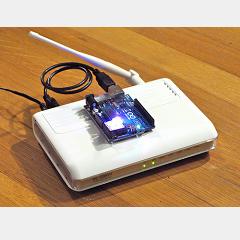
Arduino With Wifi Power
Posted February 7, 2011 by Chris
No, I don’t mean power over wifi, I mean communication over wifi! As the author of this tutorial says striaght out, it’s a pain to do wifi with an Aruduino. This write-up takes you step by step through the process of giving WiFi via a Asus WL-520gu to an Arduino.
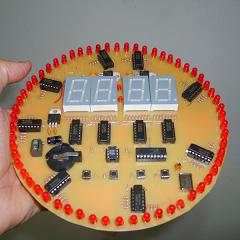
Simple LED Clock PCB Design
Posted February 6, 2011 by Chris
Named ‘El Relojito’ (relojo = watch in spanish), this seemingly simple design is a great project for anyone ready to move past the rank of ‘amateur’. 60 LEDs surround the 7-segment leds telling you the time. A PIC micro controlls all the action. The write-up is in spanish, but the schematic/pictures should be enough to guide you.
Wii Auto Guitar Hero
Posted February 5, 2011 by Chris
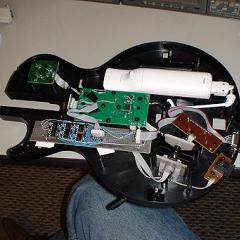
Guitar Hero is fun, but mastering it is really hard. So why not hack the controller and become a perfect guitarist via the wonder of FPGA! The Wii Auto-GuitarHero delves into the realm of understanding NTSC inorder to beat the game with a perfect score.

Create NTSC Video Output With VHDL
Posted February 4, 2011 by Chris
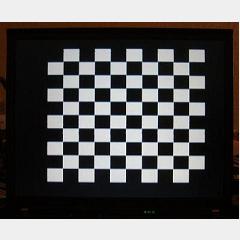
NTSC video is a standard that has been around almost as long as black and white TVs. It’s a true analog standard, but we can use digital FPGA signals to create NTSC. This tutorial shows you how to output simple NTSC video to your TV.
Monster Chess
Posted February 3, 2011 by Chris
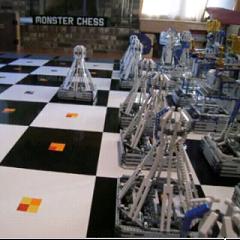
This huge chess board called ‘Monster Chess’ is made completely of legos. It is fully automated and moves by itsself. Take a look at the project write-up for some awesome action videos and pictures of the entire setup.
Boarduino, Wii Nunchucks and Servos
Posted February 2, 2011 by Chris
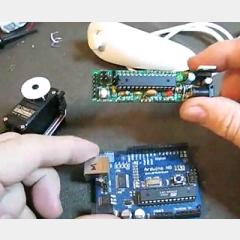
Today’s project shows you how to take the Wii nun-chuck, connect it up to a arduino and use the accelerometer sensor data to control a servo motor. The process is not too complicated as the project write-up does show you step by step in a video how to do everything. Wii fans, don’t miss this one!
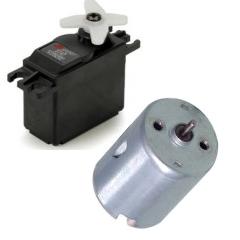
DC Motor and Servo Motor Compared
Posted February 1, 2011 by Chris
The servo motor and the dc motor have one simple difference: one is inherently controlled while the other is not. This guide goes through the specifics of when to use which type of motor.
Currently Hot

Pyro Propeller Clock POV
a pov that displays whatever you want

DIY RS232 Interface With A PIC
interface with the serial port on your computer

The Tupperware Turret [Airsoft]
build your own airsoft turret with off the shelf parts

PIC I2C Interface Tutorial
3 wire communication at highspeeds

Build A Mini A/V Test Box
quick and easy way to test if speakers/monitors are working
Animatronics

Recent Articles

Arduino DDS Shield
build your own arduino based analog signal generator

A Digital Multimeter In Review (Tenma 72-7735)
learn about your typical digital multimeter in review

The PIC Annoy PCB
build something to annoy your co-workers

Automate Your Life With Cron
learn how to use cron for computer automation

Web Scraping For Weather Updates
learn how to use php to scrape the web

Creating A Web Server In Linux
learn how to make a lamp web server in linux

Stepper Motor Control With A stepRocker TMCM-1110
learn how a commercial stepper motor controller works

Arduino To PIC Wireless Proximity Motor Control
control a motor with a distance sensor wirelessly

PIC to Arduino Wireless Communication via XBee
use xbee to make a pic wirelessly talk to an arduino

Motor Control via Infrared Distance Sensor
control a motor simply by waving your hand

