



Get started learning to build your own electronics by following our FREE online courses below!
Learn More »
Categories
- animatronics (12)
- apple (11)
- arduino (179)
- art (41)
- articles (121)
- artificial intelligence (11)
- automation (421)
- avr (205)
- bitcoin (3)
- breadboard (9)
- cameras (57)
- cars (26)
- cell phones (28)
- clothing mods (21)
- console mods (26)
- dangerous (94)
- desktop mods (24)
- embedded (5)
- flying things (54)
- fpga (22)
- gaming creations (108)
- interface (225)
- internet (17)
- laptop mods (6)
- lasers (22)
- linux (7)
- magnetic (3)
- medical (12)
- microcontrollers (51)
- misc projects (152)
- msp (12)
- music (124)
- pic (90)
- projects (23)
- pyroedu (76)
- raspberry pi (26)
- robots (312)
- security (36)
- sensors (307)
- software (200)
- solar (19)
- stamp (9)
- tools (149)
- tutorials (98)
- Uncategorized (45)
- usb (44)
- wireless (256)
Sponsors
Build Like A Pyro!
Find many of the parts used on this site at our favorite online electronics shop



The Fruit Computer Laboratory
Posted February 23, 2015 by Chris
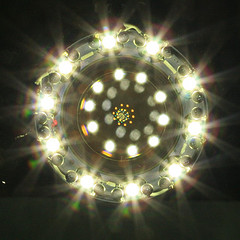
"…But, could chemical reactions in fruits be also used to create on-off switches, the basic building blocks of computer logic and memory? Would it be possible to create a computer with fruits? This project proposes to create a temporary laboratory, open to the general public, that will raise questions and reflections about the construction of a future computer based on fruits."
LED Stuffed Pumpkin :: Halloween Arduino Project
Posted October 27, 2014 by Chris
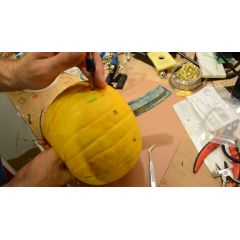
"Create your own LED Stuffed Pumpkin for a Halloween Arduino Project. Follow this step by step guide for making your own."

PUMPKTRIS – More Halloween Electronics
Posted October 26, 2014 by Chris
"What do you get when you combine a pumpkin with the classic video game Tetris? Pumpktris! Fully playable, embedded in a pumpkin, and with the stem serving as a controller. Watch the video below to see it in action, then read on for the development story."

Halloween Pumpkin LEDs and IR project
Posted October 25, 2014 by Chris
"What’s Halloween without a carved pumpkin? And what’s the point of lighting the pumpkin with a candle when we have LEDs?…The LEDs flicker for 30s when someone is close to the pumpkin. Notice the IR-detector in the nose."

DIY Halloween Decoration Ideas
Posted October 24, 2014 by Chris
"The Halloween season is approaching quickly….Every year it is good to have at least one new attraction. If, you don’t just completely overhaul the whole event. The hope would be that this attraction would be bigger and better than the previous year. This means we are always trying to come up with new DIY projects to scare people."
Online Exhibition: The Path Towards a Consumer Wearable Computer
Posted October 16, 2014 by Chris
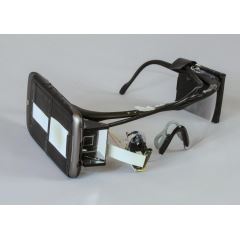
"Wearable computers and head-mounted displays (HMDs) are in the press daily. Why now? While the basic technology has existed for decades, only recently have these devices become practical and desirable. Using consumer, professional, and ‘maker’ devices, this exhibit demonstrates four challenges along the road to making a consumer wearable computer: power and heat, networking, mobile input, and displays."
What can you salvage from a floppy disk drive?
Posted October 9, 2014 by Chris
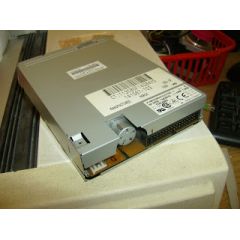
"In true Nerd Club fashion, no sooner have we decided to start (or re-start) a project, and something else comes along and takes our attention away. This time, it was the postie bringing us a clutch of four floppy disk drives, won off eBay just 48 hours earlier."
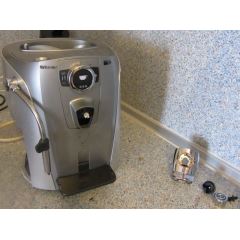
Saeco Talea – Automatic Coffee Machine – Teardown and Analysis
Posted September 14, 2014 by Chris
" I got this coffee machine from work because it was a maintenance nightmare. I’ll tear it down, do the analysis on how it works and detail on some design problems as well. It’s going to be a rather long post with quite a lot of pictures."
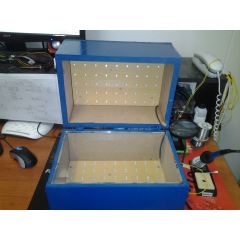
UV Light Box
Posted August 30, 2014 by Chris
"Probably the most indispensable tool for making printed circuit boards, is the UV light box. There are a couple of different methods for transferring of a PCB image. The most common homemade method, seems to be the toner transfer method, judging by the number of sites describing it. However, I use the photo lithography method and I have had great results with it so far, so no need to change."
Currently Hot

Build A ByteBlaster
build a cable so you can program your fpga/cpld

Interfacing A PIC To LCD (16×2)
control an lcd display with a pic

Short Range Personal Radar
a complete radar system using the ir range sensor

The IR Range Sensor
learn the basics of the sharp ir range sensor

Program the DE2 Board
download a simple program to the de2 board
Animatronics

Recent Articles

Arduino DDS Shield
build your own arduino based analog signal generator

A Digital Multimeter In Review (Tenma 72-7735)
learn about your typical digital multimeter in review

The PIC Annoy PCB
build something to annoy your co-workers

Automate Your Life With Cron
learn how to use cron for computer automation

Web Scraping For Weather Updates
learn how to use php to scrape the web

Creating A Web Server In Linux
learn how to make a lamp web server in linux

Stepper Motor Control With A stepRocker TMCM-1110
learn how a commercial stepper motor controller works

Arduino To PIC Wireless Proximity Motor Control
control a motor with a distance sensor wirelessly

PIC to Arduino Wireless Communication via XBee
use xbee to make a pic wirelessly talk to an arduino

Motor Control via Infrared Distance Sensor
control a motor simply by waving your hand

