



Get started learning to build your own electronics by following our FREE online courses below!
Learn More »
Categories
- animatronics (12)
- apple (11)
- arduino (179)
- art (41)
- articles (121)
- artificial intelligence (11)
- automation (421)
- avr (205)
- bitcoin (3)
- breadboard (9)
- cameras (57)
- cars (26)
- cell phones (28)
- clothing mods (21)
- console mods (26)
- dangerous (94)
- desktop mods (24)
- embedded (5)
- flying things (54)
- fpga (22)
- gaming creations (108)
- interface (225)
- internet (17)
- laptop mods (6)
- lasers (22)
- linux (7)
- magnetic (3)
- medical (12)
- microcontrollers (51)
- misc projects (152)
- msp (12)
- music (124)
- pic (90)
- projects (23)
- pyroedu (76)
- raspberry pi (26)
- robots (312)
- security (36)
- sensors (307)
- software (200)
- solar (19)
- stamp (9)
- tools (149)
- tutorials (98)
- Uncategorized (45)
- usb (44)
- wireless (256)
Sponsors
Build Like A Pyro!
Find many of the parts used on this site at our favorite online electronics shop


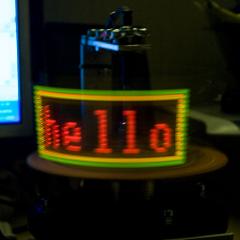
AVR Rotating LED Display
Posted July 12, 2011 by Chris
DIY Rotating displays, sometimes called POV’s because of their use of persistence of vision, have become more common and are a very fun project to build. This article shows the process of building a quality rotating led display on a PCB with pictures, video, software and the hardware schematics of the project.
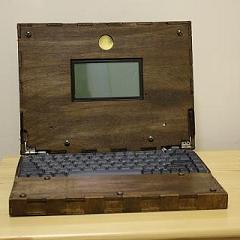
Homemade Wooden Laptop v2
Posted July 8, 2011 by Chris
It’s a great time when DIYers around the world can easily build their own replica of an early commodore 64 or apple IIe. This wooden laptop uses a Picaxe processor, some flash memory and a host of I/O (including a keyboard of course) to make a DIY laptop (version 2). The article has all the details you want to see, including the guts of the computer and it’s assembly instruction set.
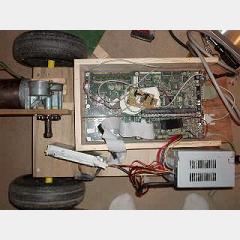
Ralph’s Homemade Robot
Posted July 5, 2011 by Chris
This robot, while still a seemingly perpetual work in progress, is a real throw back. Started in 2002, it’s basically a desktop computer on wheels with some wicked control circuitry. The author spits out everything about the design and software used to make the robot go. It’s a fun read, but I wouldn’t entrust my life to this two wheeled robot, no offense Ralph!

Encoder Sensors And Robots
Posted July 4, 2011 by Chris
Encoders are a form of sensor feedback that tell you how far something has moved. As seen in my tutorial: The Digital Tachometer encoders can be based on line-of-sight, reflect off black and white encoder wheels or they can even detect magnetic field changes as a form of movement tracking. This article goes through these types of encoders and explains how you can use them in your robotics projects.

PIC to SD Card Interface via SPI
Posted June 25, 2011 by Chris
If you have ever wanted to learn how SD card interfacing words, this a great article to read. It covers the very basics of connecting a PIC to write and read from an SD flash memory card using SPI. The article has tons of pictures, the code, the schematic and more than enough details to help you make your own.
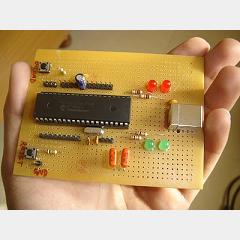
Homemade USB interface board using a PIC
Posted June 24, 2011 by Chris
This article demonstrates how easy USB interfaces on a PIC can be using the 18F4550. While USB in itsself is rather complex, microchip’s USB framework kit, which was used here, makes things at very least tolerable. The article includes schematic drawings and example pictures of the system completely built and working. Checkout the action video!
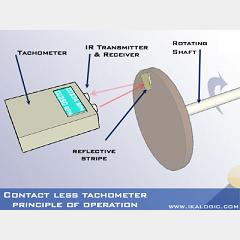
99k RPM Digital Tachometer
Posted June 21, 2011 by Chris
This article is fairly similar to my own Digital Tach except it goes a bit above and beyond. The 99k Digital Tech uses an Atmega microcontroller and amplifying hardware to get clean counter signals back from a wireless tachmeter. The article explains the details indepth with schematics and project pictures.
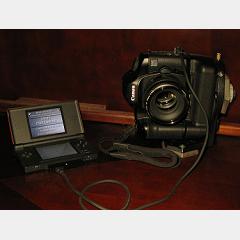
DS Controlled DSLR Camera
Posted June 16, 2011 by Chris
Here’s a rather novel creation, a DS-DSLR. A high quality camera controlled by a portable Nintendo DS game system. The article explains how it was done with some guidance for people wishing to do similar work. No source code from this project, but many pointers for doing your own DIY-DS work.
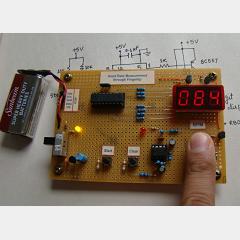
Heart Rate Measurement From Fingertip
Posted June 13, 2011 by Chris
Detecting a person’s heart rate using electronics is not as hard as it might sound. Using an infrared emitter LED, photo transistor and some knowledge about light reflectivity we can detect blood flow in a finger! Read the article for more info about how it is done and how you can build your own.
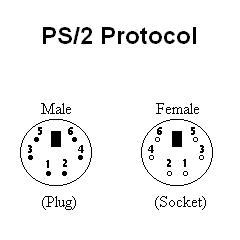
The PS/2 Mouse/Keyboard Protocol
Posted June 12, 2011 by Chris
USB seems to have taken over the mouse and keyboard protocol scene which means there’s a ton of ‘leftover’ PS/2 mouse and keyboards abandoned in offices and schools. Today’s article gives you the understanding of the PS/2 protocol needed to put these abandoned I/O devices back to work without as much software overhead as is required for implementing USB.
Currently Hot

PIC Priority Interrupts
learn how to give your interrupts priority

An Intro To Interrupts On A PIC
an easy guide for learning about interrupts

PIC As SPI Master And Slave
learn how to use spi on a pic

Animatronic Neck [DIY]
build a neck for an animatronic head

Homemade Animatronic Mouth
learn how to make your robot speak
Animatronics

Recent Articles

Arduino DDS Shield
build your own arduino based analog signal generator

A Digital Multimeter In Review (Tenma 72-7735)
learn about your typical digital multimeter in review

The PIC Annoy PCB
build something to annoy your co-workers

Automate Your Life With Cron
learn how to use cron for computer automation

Web Scraping For Weather Updates
learn how to use php to scrape the web

Creating A Web Server In Linux
learn how to make a lamp web server in linux

Stepper Motor Control With A stepRocker TMCM-1110
learn how a commercial stepper motor controller works

Arduino To PIC Wireless Proximity Motor Control
control a motor with a distance sensor wirelessly

PIC to Arduino Wireless Communication via XBee
use xbee to make a pic wirelessly talk to an arduino

Motor Control via Infrared Distance Sensor
control a motor simply by waving your hand

