



Get started learning to build your own electronics by following our FREE online courses below!
Learn More »
Categories
- animatronics (12)
- apple (11)
- arduino (179)
- art (41)
- articles (121)
- artificial intelligence (11)
- automation (421)
- avr (205)
- bitcoin (3)
- breadboard (9)
- cameras (57)
- cars (26)
- cell phones (28)
- clothing mods (21)
- console mods (26)
- dangerous (94)
- desktop mods (24)
- embedded (5)
- flying things (54)
- fpga (22)
- gaming creations (108)
- interface (225)
- internet (17)
- laptop mods (6)
- lasers (22)
- linux (7)
- magnetic (3)
- medical (12)
- microcontrollers (51)
- misc projects (152)
- msp (12)
- music (124)
- pic (90)
- projects (23)
- pyroedu (76)
- raspberry pi (26)
- robots (312)
- security (36)
- sensors (307)
- software (200)
- solar (19)
- stamp (9)
- tools (149)
- tutorials (98)
- Uncategorized (45)
- usb (44)
- wireless (256)
Sponsors
Build Like A Pyro!
Find many of the parts used on this site at our favorite online electronics shop


Autonomous Mobile Agent EMMA2
Posted September 8, 2013 by Chris
“In order to ease electronical design and increase hardware and software stability EMMA2 is built on top of an off-the-shelf handheld computer with integrated color camera and Bluetooth communication. In addition to the hardware components power supply and motor drive control the undercarriage hosts general purpose I/O interfaces enabling efficient integration of additional sensors in the future.”
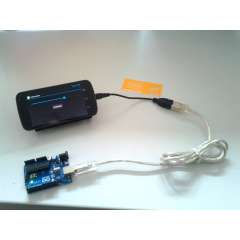
Android USB Host + Arduino Communication
Posted September 6, 2013 by Chris
“In this post we’ll put everything together and show you how to communicate between your Android application and the Arduino using nothing but the Android USB host API. Remember, this approach has nothing to do with Android ADK! Unlike Android ADK, your Android device will act as the USB host, while your Arduino board will act as the USB device.”

AC vs DC Electricity – An Introduction To Analog Electronics
Posted September 5, 2013 by Chris
Are you ready for another Analog Electronics lesson? We are! This week we will explore more about AC vs DC Electricity. Here’s a quick intro of what this PyroEDU lesson is all about:
Understanding the difference between DC and AC electricity is the first step towards understanding analog electronics. In this less we will go over some theory about what AC electricity is, what it looks like and how it is different from DC electricity. Additionally, we will build an example AC circuit that generates a tone.
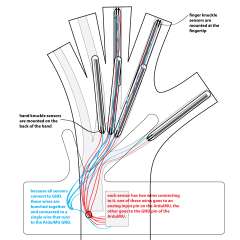
The Gloves Project
Posted September 4, 2013 by Chris
“Make your very own pair of The Gloves! This step-by-step tutorial takes you through the process of building (and customizing) your own pair of DIY Data Gloves.”

How to Hack Toy EEGs
Posted September 2, 2013 by Chris
“Arturo Vidich, Sofy Yuditskaya and I needed a way to read brains for our Mental Block project last fall. After looking at the options, we decided that hacking a toy EEG would be the cheapest / fastest way to get the data we wanted. Here’s how we did it.”
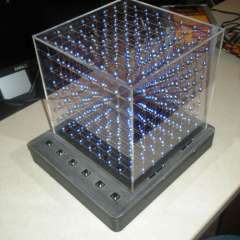
EGGN 482 Final Projects
Posted September 1, 2013 by Chris
“A collection of the final projects from EGGN 482 at the Colorado School of Mines. Each project has a summary with slides and a video demonstrating how it works. Many great projects in this line-up!”
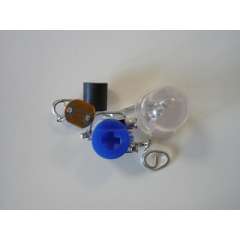
RCArduino Yaw Control
Posted August 30, 2013 by Chris
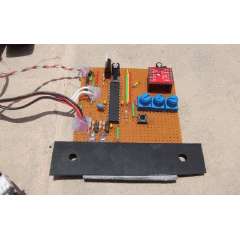
“In Yaw Control Part 1 I discussed how gyroscopes can be applied in Radio Controlled cars to reduce yaw under braking and acceleration. Since this first post I have developed an Arduino based yaw control system which goes beyond the original goals to address the major flaw in the gyro based approach.”
The Intro – An Introduction To Analog Electronics
Posted August 29, 2013 by Chris
This week we’re launching our brand new course: An Introduction To Analog Electronics. We’ll start by looking at The Intro. Here’s a quick intro of what this PyroEDU lesson is all about:
If you have never studied analog electronics before and want to get started learning about AC, DC, filters and amplifiers this is where you should start. This first lesson explains what this course is about, what tools you’ll need to follow along with the course and what expectations you should have from taking this course.
2 More Days Until….An Introduction To Analog Electronics
Posted August 27, 2013 by Chris
In 2 days, PyroEDU will be introducing a new course: An Introduction To Analog Electronics. Here’s a quick summary of the course and some links with more details.
This course is meant to create a pathway into learning about analog electronics, for people who are scared of the math and general trickery that usually comes with it. A hands-on approach is taken in this course through a combination of lecture and experimentation to teach you about the different basic ideas (AC vs. DC, filters and amplifiers) used in analog electronics.
Currently Hot

DIY Stepper Motor Controller
reliable stepper motor control in a diy pcb

The Sharpie Dotifier
a robotic arm that draws everything

Line Following Mini Tank
a wooden tank that follows black lines

Homemade PCB (Etching)
build a pcb board with your bare hands

Simple Motor Optical Encoder
build a simple-low cost optical encoder
Animatronics

Recent Articles

Arduino DDS Shield
build your own arduino based analog signal generator

A Digital Multimeter In Review (Tenma 72-7735)
learn about your typical digital multimeter in review

The PIC Annoy PCB
build something to annoy your co-workers

Automate Your Life With Cron
learn how to use cron for computer automation

Web Scraping For Weather Updates
learn how to use php to scrape the web

Creating A Web Server In Linux
learn how to make a lamp web server in linux

Stepper Motor Control With A stepRocker TMCM-1110
learn how a commercial stepper motor controller works

Arduino To PIC Wireless Proximity Motor Control
control a motor with a distance sensor wirelessly

PIC to Arduino Wireless Communication via XBee
use xbee to make a pic wirelessly talk to an arduino

Motor Control via Infrared Distance Sensor
control a motor simply by waving your hand

